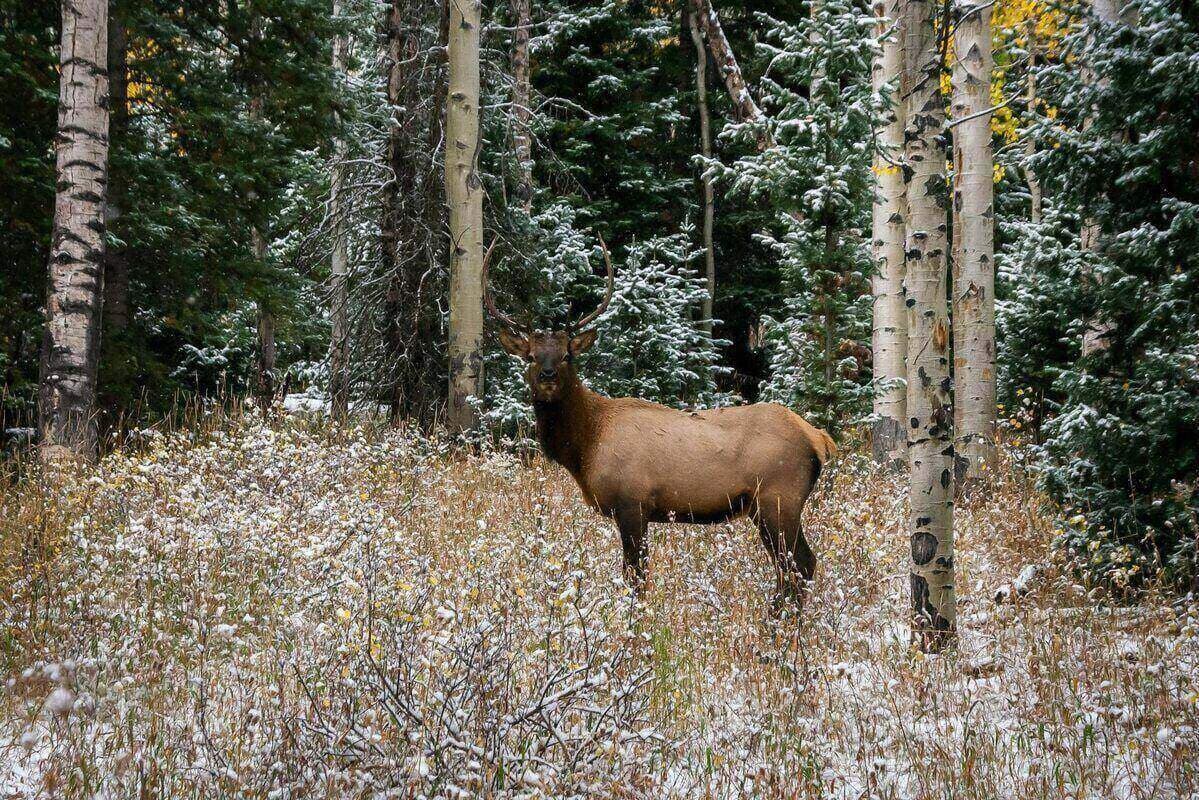
Watching Elk Rut in Durango: Best Spots
Every fall, the elk in southwestern Colorado put on one of nature's most dramatic shows. The rut , elk mating season , runs from roughly mid-September through mid-October, and the bugling, sparring, and herd dynamics are mesmerizing to witness. If you're in the Durango area during this window, seeking out elk should be on your list.
The rut is elk mating season, when bull elk compete for breeding rights with cows. Bulls gather harems of females, defend them aggressively from rival bulls, and engage in behaviors that are simultaneously impressive and primal. The soundtrack , the high-pitched, haunting bugle call of a bull elk , echoes through mountain valleys and is one of the most distinctive sounds in nature.
This isn't a zoo experience. These are wild animals in their natural habitat, operating on instincts honed over millennia. Witnessing the rut requires patience, respect for wildlife, and a willingness to be an observer rather than a participant.
What You'll See
Bull elk gather harems of cows (female elk) and defend them from rival bulls. A dominant bull might control a harem of 20 or more cows, which he guards constantly during the rut. The bulls bugle , a haunting, high-pitched call that starts low, rises to a squeal, and ends in grunts , to announce their presence and challenge competitors.
The bugle serves multiple purposes: it advertises the bull's fitness to cows, warns rival bulls to stay away, and sometimes triggers confrontations. Hearing a bugle for the first time is unforgettable. It's loud, eerie, and carries for miles in the clear mountain air.
When two bulls actually spar, it's impressive. They approach each other, lower their antlers, and clash with a sound like tree branches cracking. The power on display is humbling , these are animals that can weigh 700 pounds or more, with antler racks spanning four or five feet. The ground shakes when they collide.
Most sparring is brief and ritualistic , a test of strength that determines dominance without serious injury. Occasionally, fights escalate, and bulls can injure each other. Broken antler tines, gashes, and exhaustion are all possible outcomes of serious confrontations.
Beyond sparring, you'll see other behaviors: bulls herding cows back into the harem, chasing off satellite bulls (younger males hoping to steal breeding opportunities), and cows moving through meadows grazing while bulls stand guard. The whole dynamic is fascinating to watch.
Where to Watch
Molas Pass area (US-550): The meadows along US-550 between Purgatory and Silverton are prime elk habitat. This stretch of highway climbs above 10,000 feet and passes through high alpine meadows where elk congregate in fall. Drive this section at dawn or dusk and you'll often see herds grazing near the road.
The advantage of the Molas Pass area is accessibility , you can view elk from your vehicle with minimal hiking required. Pull into one of the several roadside pullouts, stay in or near your car, and watch from a safe distance. Bring binoculars for a closer look without encroaching on the animals.
Hermosa area: The valleys north of Durango along Hermosa Creek often have elk herds in fall. Drive the forest roads (County Road 201 and connecting roads) slowly and quietly. Early morning and late evening are prime times. The Hermosa area is less crowded than more accessible spots and offers good opportunities for patient observers.
Access requires a vehicle comfortable on dirt roads , passenger cars can handle it in dry conditions, but high-clearance is preferable. The area is part of the San Juan National Forest, so camping and dispersed access are allowed. Respect private property boundaries, stay on designated roads, and pack out all trash.
Vallecito Lake area: The meadows around the lake and the surrounding national forest are elk habitat. Fall mornings here can produce great viewing, especially in the drainages and valleys feeding into the lake. The Vallecito area is about 30 minutes northeast of Durango and offers a mix of roadside viewing and short hike-in opportunities.
The Pine River valley above Vallecito Lake is particularly good for elk. Forest Service Road 602 (Vallecito Creek Road) provides access, though you'll need a high-clearance vehicle for rougher sections. Early morning drives often yield sightings of elk herds moving between bedding and feeding areas.
Other areas: Chris Park (near Haviland Lake), the La Plata Canyon area west of Durango, and the higher elevations around Purgatory Resort all have elk populations. Anywhere between 8,000 and 10,000 feet elevation with a mix of meadow and forest is potential elk habitat.
Timing
The rut peaks in mid-to-late September. This is when bugling is most frequent, bulls are most active, and the competitive dynamics are most intense. By early October, the rut winds down as cows are bred and bulls begin to separate from the harems.
Dawn and dusk are the best times for viewing. Elk are most active in low-light conditions , early morning (30 minutes before sunrise through mid-morning) and evening (late afternoon through dusk). Midday, elk often bed down in heavy cover and are harder to locate.
Weather affects activity. Cool, crisp mornings often trigger more bugling and movement. Warm, sunny days tend to quiet things down. After a cold front moves through, elk activity picks up.
Etiquette and Safety
Stay in your vehicle or at a safe distance , at least 75 feet, and more is better. Bull elk during the rut are unpredictable and can be aggressive. They're defending valuable resources (breeding access) and are pumped full of testosterone. A bull elk that feels threatened or provoked can charge, and they're faster than you think.
Use binoculars or a telephoto lens. This allows you to observe behavior without getting too close. A good pair of binoculars (8x42 or 10x42) brings the experience close without the risk. A telephoto lens (300mm or longer) is ideal for photography.
Do not approach, call to, or provoke the animals. Bugle calls and cow calls can attract bulls, which might sound fun but is a terrible idea. You don't want a 700-pound bull elk closing the distance because he thinks you're a rival or a potential mate. Let the animals behave naturally without interference.
Keep dogs away from elk areas during the rut. A dog can trigger a charge from a defensive bull or cow. Elk see dogs as predators (wolves), and their instinct is to defend the herd. Leash laws in national forest areas exist for good reason , follow them.
Stay quiet. Loud noises, car doors slamming, and people talking loudly can spook elk and ruin viewing opportunities for everyone. If you're watching from a vehicle, keep windows up or speak in low voices. If you're on foot, move slowly and talk quietly.
Respect private property. Much of the land near Durango is a mix of public (national forest, BLM) and private. Know where boundaries are and don't trespass. Use public land access points and stay on designated roads and trails.
Photography Tips
If you're photographing elk during the rut, bring a long lens (400mm or longer is ideal). Shoot in the golden light of dawn or dusk for the best results. Fast shutter speeds are necessary to freeze action if bulls are sparring. Respect ethical wildlife photography practices , never harass or bait animals for a shot.
A tripod or monopod helps stabilize long lenses. Shooting from your vehicle window provides a stable platform and doesn't spook elk as much as a person standing in the open.
Be patient. Wildlife photography is about waiting for moments, not forcing them. You might sit for an hour with nothing happening, then witness an incredible bugling sequence or sparring match in two minutes. That's the nature of it.
Fall at Purgatory
While the rut happens in fall and Purgatory is primarily a winter destination, the resort area and surrounding mountains are beautiful in September and early October. Aspen are turning gold, the air is crisp, and the high country is at its most photogenic. Pair elk viewing with fall hikes, scenic drives, and the quieter pace of shoulder season.
Both of our Purgatory townhomes , Basecamp and Timberline , are right across from Purgatory Resort with hot tubs, EV chargers, and free shuttle access. Fall is a great time to visit for a different experience , no skiing, but stunning scenery, excellent wildlife viewing, and rates lower than peak winter season.
A typical fall day might include an early morning drive to Molas Pass for elk viewing, a midday hike on the Colorado Trail, and an evening soak in the hot tub. The pace is relaxed, the crowds are gone, and the landscape is spectacular.
Planning a trip to Purgatory? Check availability at purgatoryunlocked.com