EV Charging Near Purgatory Resort: Stations & Routes
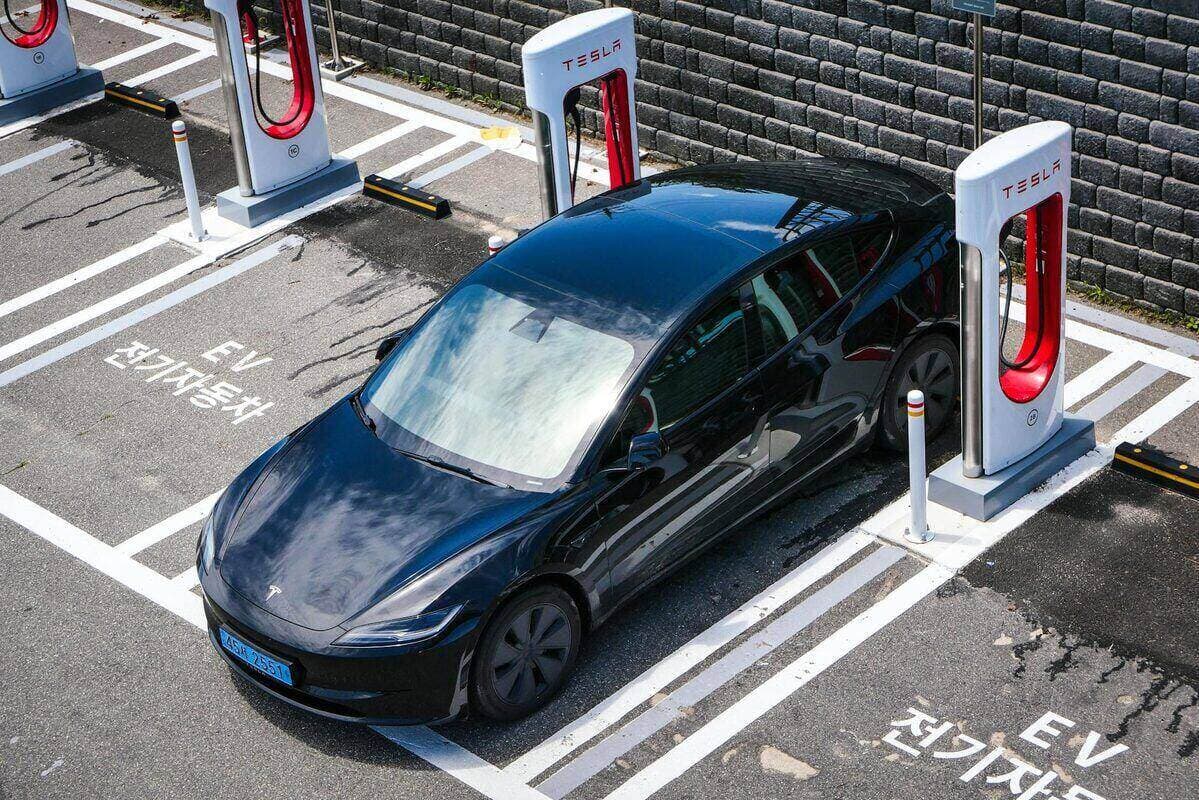
Electric vehicles and mountain road trips are increasingly compatible, and driving an EV to Purgatory is absolutely doable with a little planning. The charging infrastructure in southern Colorado has grown significantly in recent years, making the journey smoother than ever. Here's what you need to know.
The Major Routes
From Denver (about 6.5 hours): The most common route heads south on I-25 to Walsenburg, then west on US-160 through the San Luis Valley and over Wolf Creek Pass. The elevation gain is substantial , you'll climb from about 5,000 feet in Walsenburg to over 10,850 feet at the summit of Wolf Creek Pass. Budget extra range for the climb and cold temperatures.
Charging options exist along I-25 at several stops. Pagosa Springs has a high-speed DC fast charger at Centennial Park, which is perfectly positioned for a quick top-up before the final stretch to Durango. Wolf Creek Ski Area itself has a ChargePoint Level 2 station in the lower parking lot if you're stopping there to ski.
From Albuquerque (about 4 hours): Head north through Santa Fe and into southern Colorado via US-84 and US-160. Charging stations are available in Santa Fe, Chama (on the New Mexico side), and then Durango. This is probably the most straightforward EV route to Purgatory because the distances between chargers are manageable and you're not dealing with the elevation gain of Wolf Creek Pass.
From Phoenix (about 8 hours): North through Flagstaff and into the Four Corners area via US-160. Flagstaff has multiple charging options, and Farmington, New Mexico has a Tesla Supercharger and other fast chargers. The drive is long but the charging infrastructure is solid along this corridor.
Charging in Durango
Durango has over 60 public charging station ports (Level 2 and Level 3) within the city and surrounding area. The Tesla Supercharger is located at 501 Camino Del Rio and is open to all EVs with adapters. ChargePoint stations are scattered around downtown, and the City of Durango operates several publicly available chargers.
If you're stopping for lunch or coffee downtown, Carver Brewing Company (Durango's oldest brewpub, founded in 1988) and Ska Brewing Co. both have nearby charging options. You can grab a meal, charge up, and then make the final 25-mile push to Purgatory Resort.
The last stretch from Durango to Purgatory Resort gains about 2,000 feet in elevation over 25 miles. Factor that into your remaining range , the climb uses more battery than you'd expect. I always arrive in Durango with at least 100 miles of range to avoid any anxiety on that final uphill.
Charging at Our Properties
Both Basecamp and Timberline have EV chargers on-site. This is a significant perk , you can charge overnight while you sleep and wake up with a full battery every morning. No hunting for public chargers, no waiting at a station in the cold, no planning your day around charging stops.
The chargers are Level 2 (240V), which means a full overnight charge for most EVs. If you're skiing all day and back at the townhome by evening, you'll have plenty of time to top off before the next day. It's one less thing to think about when you're trying to relax.
Winter Range Considerations
Cold weather and elevation hit EV range harder than most people expect. If your car gets 300 miles in summer city driving, expect closer to 200-220 miles in winter mountain conditions. Battery chemistry doesn't like the cold, and heating the cabin pulls significant power.
Pre-conditioning your battery while still plugged in helps a lot. Most EVs let you schedule a departure time so the battery and cabin warm up using grid power instead of draining your range. Use that feature , it makes a real difference on cold mornings.
Practical Tips
Use PlugShare or a similar app to check real-time charger availability before you leave. Not all chargers are always working, and it's better to know ahead of time than to arrive at a broken station.
Plan for charging stops to take longer than gas stops. Even DC fast charging takes 20-40 minutes for a meaningful charge. Build that time into your itinerary. We usually treat charging stops as meal or coffee breaks , it makes the trip feel less rushed.
Call ahead if you're relying on a specific charger. Small-town charging networks can be unpredictable. If your route hinges on a particular station in Pagosa Springs or Chama, a quick phone call can save you a stressful detour.
Have a backup plan. Download offline maps and know where the next nearest charger is. Cell service can be spotty in the mountains, and you don't want to be hunting for a charger with 10% battery and no signal.
Is It Worth It?
If you already own an EV, absolutely. The drive is manageable, the charging infrastructure is solid, and having on-site charging at Basecamp or Timberline makes the whole trip easier. If you're renting a car for the trip, I'd probably still go with a gas vehicle unless you're comfortable with route planning and charging logistics.
The experience of skiing at Purgatory and charging overnight at the townhome is genuinely seamless. You're not making sacrifices , you're just planning differently.
Planning a trip to Purgatory? Check availability at purgatoryunlocked.com