Fall Colors in Durango: Best Spots & Timing
Fall in Durango is a show. The San Juan Mountains light up in gold, orange, and red as millions of aspens turn simultaneously. It's one of the most dramatic fall foliage displays in the country, and timing your visit right makes all the difference.
The transformation happens fast. One week the aspens are green. Two weeks later they're at peak gold. Another week and the leaves are falling. You've got maybe a three-week window to catch it, and that window shifts slightly every year depending on weather.
When to Go
Peak color typically hits between late September and early October, depending on elevation and weather. Higher elevations (above 9,000 feet) turn first, with the color working its way down to Durango (6,500 feet) over two to three weeks. The last week of September through the first week of October is usually the sweet spot.
By mid-September, the high country around Silverton and Lake City is already showing color. By the end of the month, Coal Bank Pass and Molas Pass are usually at peak. Lower elevations around Durango proper often hold color into the second week of October.
Overnight temperatures are the trigger. Once nighttime temps drop consistently into the 30s, the aspens start their shift. An early frost can accelerate the whole process, while a warm September can delay it. The Durango Herald publishes a weekly Fall Colors Report during September and October, which is the most accurate local source for current conditions.
Best Spots
Coal Bank Pass and Molas Pass (US-550)
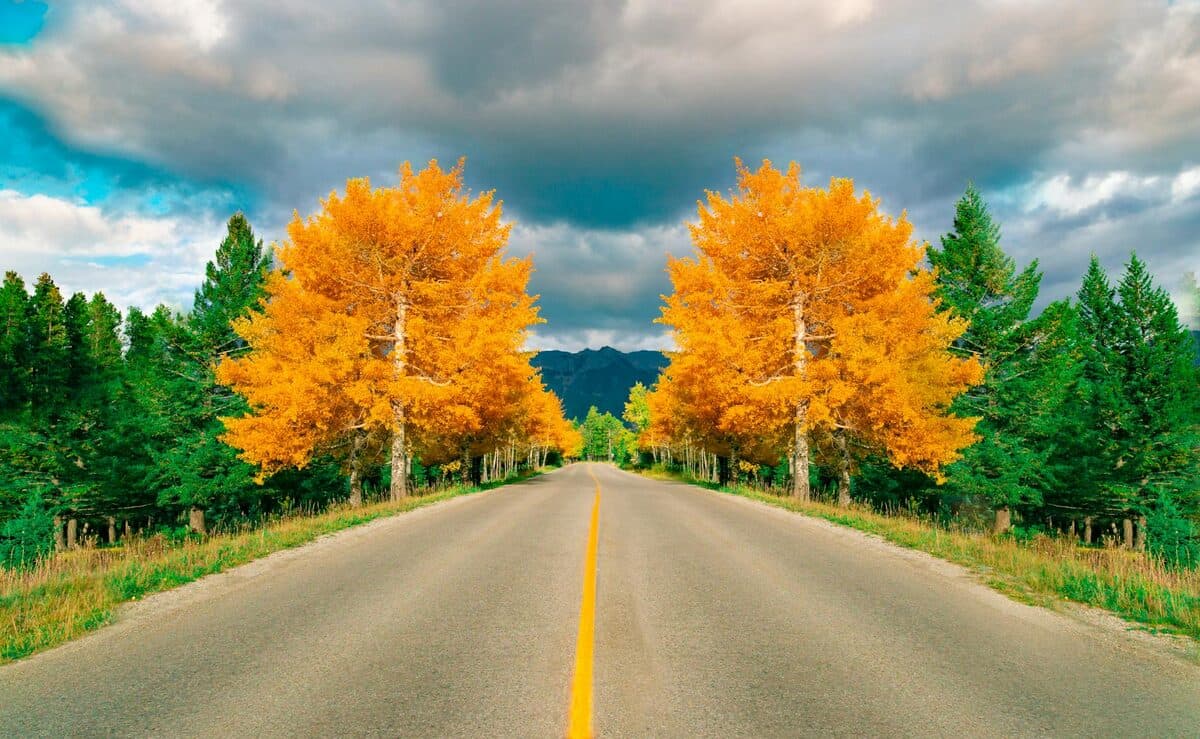
The drive north toward Silverton on US-550 puts you right in the middle of it. This is the Million Dollar Highway , named either for the gold ore used in the roadbed or for the stunning views, depending on who you ask. Aspens line both sides of the road, and the higher you climb above 10,000 feet, the more intense the color becomes.
The road is dramatic: steep grades, tight switchbacks, guardrails that appear and disappear. Don't rush it. Pull over often , there are turnouts every half mile or so. The views open wide at the higher elevations, and you'll see entire hillsides blanketed in shimmering gold aspens.
Kennebec Pass
Take the road west from Durango toward La Plata Canyon. The aspens along this route are incredible and it's less trafficked than US-550. The road follows La Plata River up into the mountains, passing old mining claims and summer cabins. The higher you go, the denser the aspen groves become.
It's a dirt road after the first few miles, but most passenger cars can handle it in dry conditions. The color here peaks slightly later than the higher passes because the elevation is lower.
Lime Creek Road
This Forest Service road runs between Purgatory Resort and Coal Bank Pass. It's a local favorite , narrow, winding, and absolutely surrounded by aspens. The road follows Lime Creek through dense forest, and the aspens form a canopy overhead in places.
It's rougher than US-550 but still passable in a regular car if you take it slow. The payoff is fewer people and more immersive color. You're in the aspens, not just looking at them from a distance.
Hermosa Creek Trail
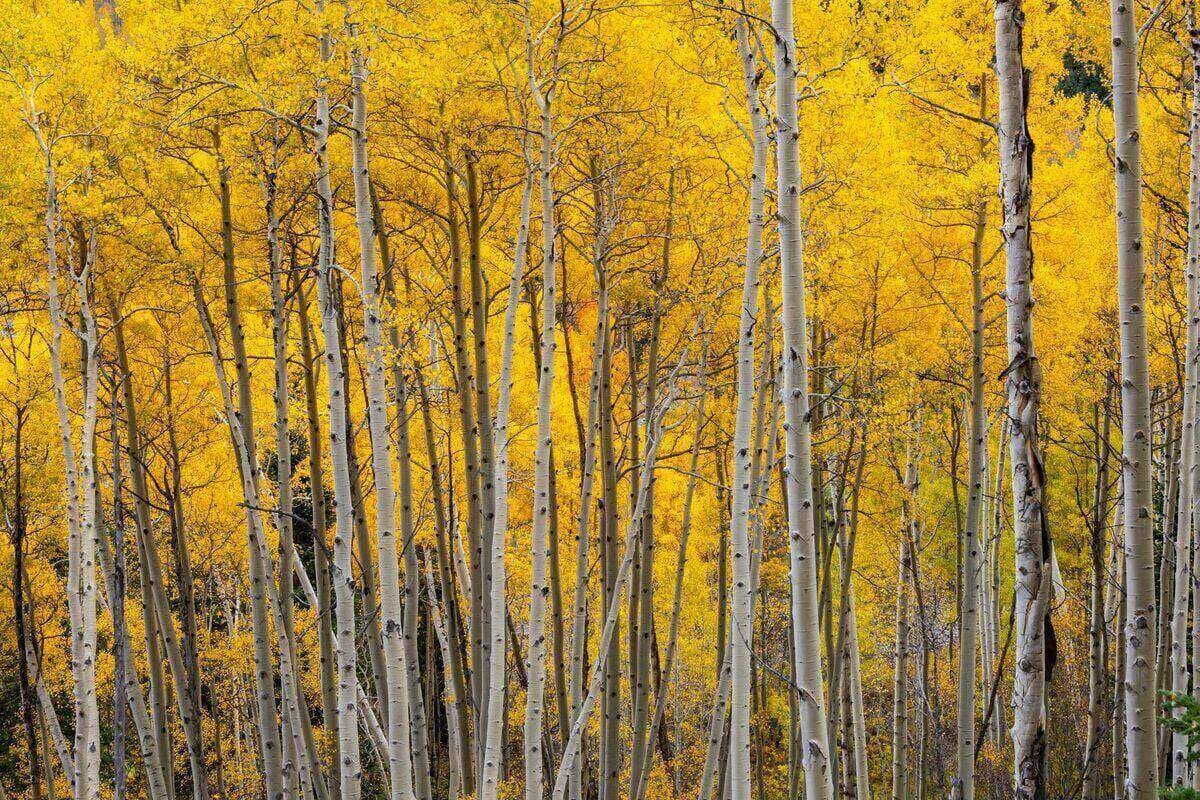
If you want to experience the color at a slower pace, hike or mountain bike Hermosa Creek Trail. The aspens along the creek are gorgeous, and the trail winds through groves where the leaves crunch underfoot and the light filters through gold canopies.
The trail is popular with mountain bikers heading downhill from Purgatory, so stay alert if you're hiking. But it's a beautiful way to spend a fall morning.
Durango & Silverton Narrow Gauge Railroad
The train ride from Durango to Silverton is one of the most scenic ways to see the fall colors without driving. The historic railway has been in continuous operation since 1882, and the route follows the Animas River through remote sections of the San Juan National Forest that you can't access by car.
The train climbs from 6,500 feet in Durango to over 9,000 feet near Silverton, passing through multiple color zones. You'll see aspens at different stages of turning, all in one trip. The round trip takes most of a day, and tickets sell out weeks in advance during peak foliage season, so book early.
Photography Tips
Overcast days make colors pop more in photos. Bright sun washes out the gold and creates harsh shadows. The soft, even light of a cloudy day brings out the full richness of the aspens.
Early morning and late afternoon light adds warmth and depth. The golden hour , that window right after sunrise or before sunset , is peak photography time. The aspens glow.
Weekdays are less crowded than weekends on the popular drives. If you're serious about stopping often and taking your time, go mid-week.
What to Expect
Traffic on US-550 during peak foliage season can be heavy, especially on weekends. The road is two lanes with no passing zones for long stretches, so you'll be moving at the pace of the slowest vehicle. Build extra time into your itinerary.
Parking at popular viewpoints fills up quickly. Arrive early or be prepared to create your own pullout (safely and legally).
Weather can change fast in the mountains. A sunny morning can turn into snow by afternoon in late September or early October. Bring layers, and check the forecast before heading up high.
Where to Stay
Basecamp and Timberline are both right across from Purgatory Resort, about 25 miles north of Durango. You're already at elevation (around 8,800 feet), which puts you in the middle of the color zone. The aspens around Purgatory are typically at peak the last week of September.
Both properties have hot tubs, which is perfect after a day of driving and hiking. There's a fireplace, full kitchen, and a free shuttle to the resort if you want to take the chairlift up for even better views. Basecamp sleeps eight, Timberline sleeps six.
You wake up surrounded by aspens. No need to drive anywhere , the color is right outside.
Planning a trip to Purgatory? Check availability at purgatoryunlocked.com