Fly Fishing the Animas River: Beginner's Guide
The Animas River is one of the best trout streams in Colorado, and it runs right through the middle of Durango. Whether you're a seasoned angler or have never held a fly rod, there's great fishing here. The combination of accessible in-town water, stunning scenery, and quality trout makes the Animas a must-fish destination.
If you're staying at Purgatory for skiing or mountain biking, the Animas is only 25 miles south. It's an easy day trip, and the contrast between alpine resort life and wading a high-desert trout stream is refreshing.
Why the Animas?
The Animas is designated as a gold-medal fishery, which means it produces large trout in quality numbers. In Colorado, gold-medal status requires at least 60 pounds of trout per acre and at least 12 trout over 14 inches per acre. The Animas exceeds those benchmarks.
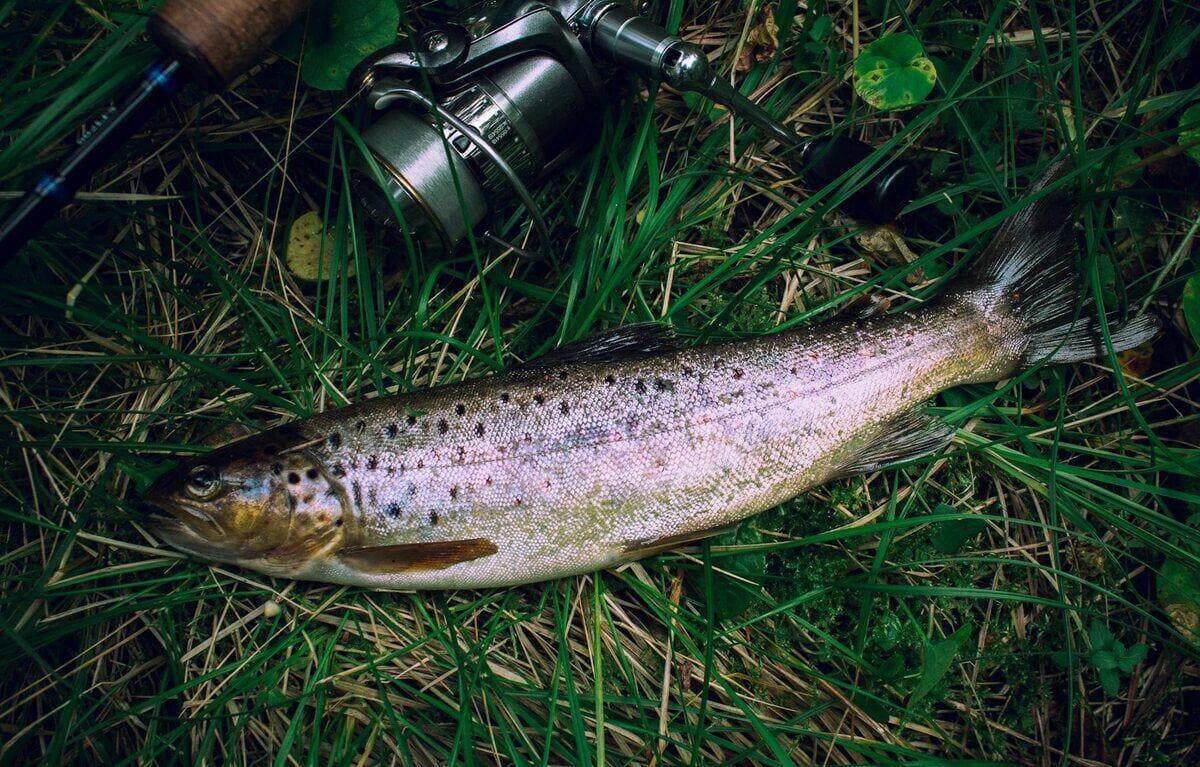
Brown trout and rainbow trout are the primary species, and fish in the 14-to-18-inch range are common. If you know what you're doing and fish the right water at the right time, 20-inch fish are possible. The river has diverse water , riffles, runs, pools, and pocket water behind boulders , which makes for interesting fishing and holds different kinds of trout in different lies.
The Animas also has a unique character compared to other Colorado rivers. It's freestone (not a tailwater), which means it's fed by snowmelt and rain, not dam releases. Flows fluctuate with the seasons, and you have to adapt your tactics accordingly.
The Gold Medal Stretch
The designated gold-medal reach runs from the Lightner Creek confluence (north end of Durango) to the Rivera Crossing Bridge south of town , about seven miles of river. This section has special regulations to protect the fishery:
- Artificial flies and lures only. No bait fishing.
- Trout bag limit: 2 fish, 16 inches or longer. Most anglers practice catch-and-release.
These regulations keep the trout population healthy and the fishing quality high.
Where to Fish
In-Town Access (Best for Beginners)
The section through Durango is easily accessible from multiple parks and access points along the Animas River Trail. Almost seven miles of river from 32nd Street Bridge to the Rivera Bridge south of town are public.
Key access points:
- Santa Rita Park (north end of downtown) , easy parking, paved trail access, good pocket water and runs
- Rotary Park (downtown) , right off Main Avenue, popular spot with mix of riffles and pools
- Dallabetta City Park / Rivera Bridge (south end of town) , larger parking area, less crowded, good water upstream and downstream
For beginners, the in-town sections are ideal. You can park, walk to the river, and start fishing within minutes. The Animas River Trail runs parallel to the river for most of the gold-medal stretch, so access is straightforward.
Upper Animas (Above Durango)
The water above town toward Silverton offers more solitude but requires more effort to reach. The river up here is smaller, steeper, and more remote. Access points are less developed, and you'll need to be comfortable hiking and scrambling.
If you're looking for a backcountry experience and don't mind working for your fish, the upper Animas is worth exploring. The scenery is stunning , narrow canyon walls, waterfalls, and dense forest.
Getting Started
If You've Never Fly Fished
Hire a guide. Durango has several excellent outfitters that offer half-day and full-day guided trips for all skill levels. They provide gear, instruction, and knowledge of what's hatching. A half-day guided trip is the fastest way to learn.
Duranglers is the most complete fly shop in the Four Corners area and offers guided trips on the Animas and other nearby rivers. Their guides know the water intimately and can put you on fish even if you've never cast before.
A typical half-day trip runs 4-5 hours and includes all gear (rod, reel, waders, flies). You'll learn basic casting, reading water, and fly selection. By the end of the trip, you'll have caught fish and learned enough to go out on your own.
If You Have Your Own Gear
Stop by a local fly shop for current conditions and fly recommendations. The staff at Duranglers are genuinely helpful and will point you to the right water, the right flies, and the right tactics for the day.
The Animas changes throughout the season, and what worked last week might not work this week. Local knowledge matters. Don't skip the fly shop visit.
What Flies to Use
The Animas has prolific insect hatches throughout the season, and matching the hatch can make a huge difference in success rates.
Spring (March-May):
- Blue-winged olives (BWO) , size 18-22
- Midges , size 20-24
- Stonefly nymphs , size 8-12
Summer (June-August):
- Caddis , size 14-18
- Pale morning duns (PMD) , size 16-18
- Yellow Sallies , size 14-16
- Terrestrials (hoppers, ants, beetles) in late summer
Fall (September-November):
- Blue-winged olives again , size 18-22
- Midges , size 20-24
- Streamer fishing picks up as trout get aggressive before winter
General-purpose nymphs that work year-round:
- Pheasant Tail , size 16-18
- Hare's Ear , size 14-16
- San Juan Worm , size 10-14 (especially after runoff or rain)
- Copper John , size 14-18
If you're not sure what to use, start with a two-fly nymph rig: a weighted stonefly or hare's ear as your lead fly, and a smaller BWO or pheasant tail as your dropper. Fish that setup through runs and pockets, and you'll catch fish.
Timing and Seasons
Spring (March-May)
Flows are low and clear early in the season. Fishing can be excellent, but water temperatures are cold, so trout are less active. Midday fishing is best when the sun warms the water.
By late April and early May, runoff begins. Flows spike, water turns muddy, and fishing becomes difficult. Check flow levels before heading out. If the Animas is running over 1,000 cfs, it's probably too high to fish effectively.
Summer (June-August)
Runoff tapers off by mid-to-late June, and the river clears. This is peak fishing season. Hatches are consistent, trout are active, and the weather is warm.
Early morning and evening are prime fishing times. Midday can be slow when the sun is high, but overcast days can produce good fishing all day. If you're fishing in July or August, plan to be on the water by 7am or wait until late afternoon.
Fall (September-November)
The spring and fall shoulder seasons are often the best overall. Flows are stable and moderate. Hatches continue. Trout are feeding aggressively before winter. Crowds thin out after Labor Day.
Fall colors add to the experience. Fishing the Animas in late September or early October with golden aspens on the hillsides is one of the best outdoor experiences in Durango.
Winter (December-February)
Winter fishing is possible but challenging. Flows are low, ice forms along the edges, and trout are lethargic in cold water. Midday is the only time worth fishing. Use small nymphs and fish slow, deep water.
If you're up for it, winter fishing can be rewarding , you'll have the river to yourself, and the fish you catch are hard-earned.
Regulations and Licensing
You'll need a valid Colorado fishing license, which you can buy online or at any fly shop or outdoor retailer in Durango. Licenses are required for anyone 16 and older.
License options:
- 1-day license: ~$17
- 5-day license: ~$36
- Annual resident license: ~$42
- Annual non-resident license: ~$107
Remember the gold-medal regulations: artificial flies and lures only, and a bag limit of 2 trout over 16 inches. Most anglers practice catch-and-release to keep the fishery healthy.
What to Bring
- Waders and wading boots (felt soles are banned in Colorado, use rubber)
- Fly rod (9-foot, 5-weight is ideal for the Animas)
- Flies (buy local at Duranglers , they'll tell you what's working)
- Polarized sunglasses (essential for seeing fish and reading water)
- Sunscreen and hat (sun is intense at 6,500 feet)
- Fishing license (have it on you , wardens check regularly)
- Net and forceps (for catch-and-release)
Combine Fishing with a Purgatory Trip
If you're staying at Basecamp or Timberline at Purgatory Resort, the Animas is an easy 25-mile drive south. You can ski or mountain bike in the morning, head down to Durango in the afternoon, and fish for a few hours before dinner.
It's one of the best things about this area , the diversity of activities within a short drive. Ski the morning, fish the evening, soak in the hot tub at night. That's a solid day.
Both properties have full kitchens, so you can cook your own meals and plan your days around the best fishing times without being locked into restaurant schedules.
Planning a trip to Purgatory? Check availability at purgatoryunlocked.com