Lemon Reservoir Winter: Ice Fishing & Snowshoeing
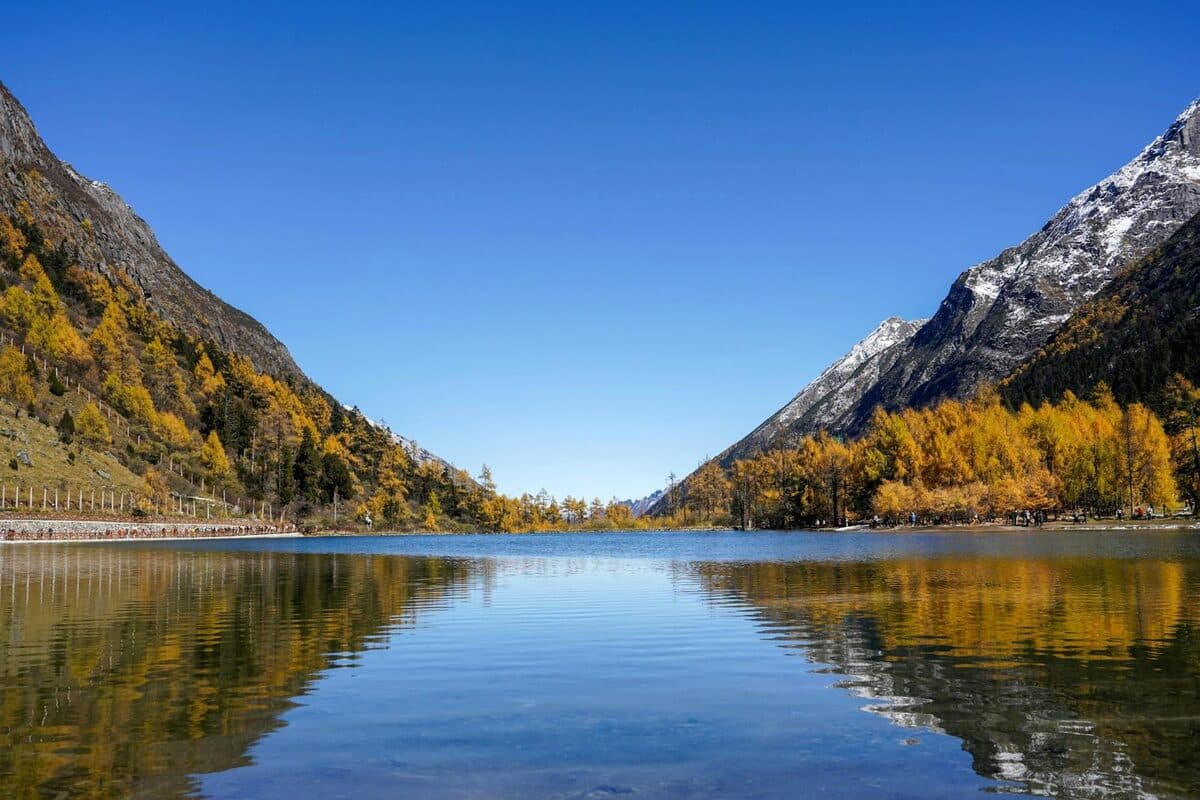
Lemon Reservoir is about 30 minutes northeast of Durango, tucked into the San Juan National Forest. In summer it's a popular spot for fishing and non-motorized boating (kayaks, canoes, stand-up paddleboards). But in winter, it transforms from a summer recreation lake into a frozen playground for ice fishing and snowshoeing. It's one of those spots that most visitors never think to visit in winter, which is exactly why it's great.
Ice Fishing
When the ice is thick enough (typically by mid-January through March), Lemon Reservoir offers good ice fishing for Kokanee salmon, rainbow trout, and brown trout. The reservoir is stocked, and winter fishing can be surprisingly productive. Kokanee are the primary target , they're known for their bright orange flesh and excellent flavor when smoked or grilled.
The Basics
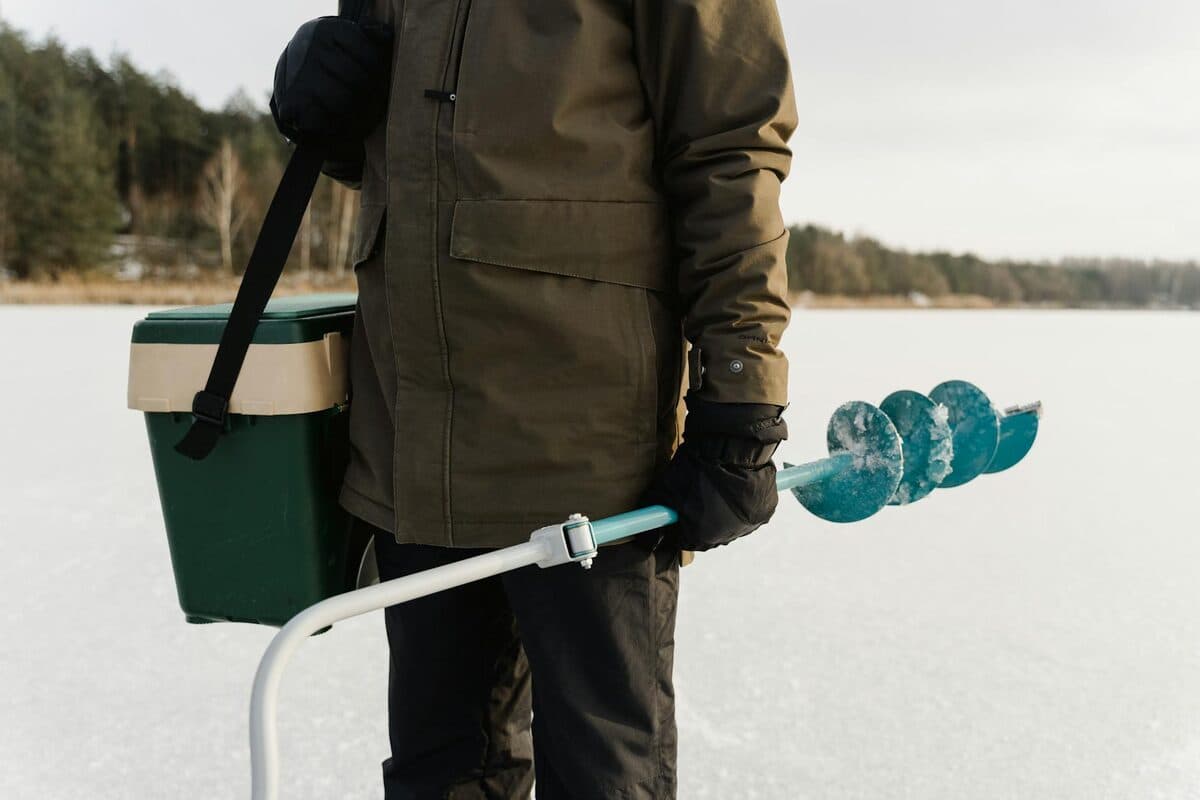
If you've never ice fished, the process is simple: drill a hole through the ice with a hand auger or power auger, drop a line with bait or a lure, and wait. It's a meditative activity , sitting on a frozen lake surrounded by snowy mountains, waiting for a tug on the line. Some people use tip-ups (devices that alert you when a fish bites so you don't have to hold the rod), while others prefer actively jigging.
Bring a thermos of hot coffee or hot chocolate. The quiet, the cold, and the anticipation are part of the experience. When you finally hook a fish through the ice, it feels like a bigger accomplishment than summer fishing somehow.
Gear and Rentals
If you don't have ice fishing gear, several outfitters in Durango rent equipment (augers, tip-ups, rods, and portable ice shelters). Local shops like Duranglers Flies and Supplies can set you up with gear and give you advice on current conditions, what's biting, and where to fish.
You'll also need warm, waterproof boots and insulated clothing. Standing or sitting on a frozen lake in January is cold in a way that's hard to prepare for until you've done it. Dress in layers, bring hand and toe warmers, and plan to take warming breaks in your vehicle.
Ice Safety
Never assume the ice is safe. Check local reports before heading out, and if you're unsure about ice thickness, don't risk it. Safe ice thickness for walking is generally 4+ inches, but conditions vary depending on weather, temperature fluctuations, and water flow. When in doubt, stay off the ice or stick to areas where others are clearly fishing.
Bring ice picks (worn around your neck), a throw rope, and let someone know where you're going. Ice fishing is safe when done responsibly, but respect the risks.
Annual Ice Fishing Competition
Lemon Reservoir hosts an annual ice fishing competition every February. It's a fun, low-key event that draws local anglers and families. There are prizes for biggest fish, most fish, and other categories. It's a good way to experience the ice fishing scene without going solo if you're new to it.
Snowshoeing
The area around Lemon Reservoir has forest roads and trails that make for excellent winter snowshoeing. The terrain is gentle, the views of the lake and surrounding mountains are beautiful, and you'll likely have the trails mostly to yourself.
The forest roads around the reservoir are wide, well-marked, and easy to follow. You can snowshoe along the shoreline, explore the surrounding pine and aspen forests, or climb higher for views of the La Plata Mountains to the west. The snow is typically deep from December through March, providing great conditions for snowshoeing.
Wildlife is common in winter. Elk, mule deer, and snowshoe hares leave tracks in the snow, and you might spot bald eagles or hawks hunting near the lake. The quiet of winter amplifies everything , the crunch of snow under your feet, the call of a distant raven, the wind through the pines.
Getting There
Lemon Reservoir is accessed via County Road 243 (Florida Road) northeast of Durango. From downtown Durango, head north on Main Avenue, turn right onto East 32nd Street, which becomes Florida Road (CR 240). Continue north until you reach the turnoff for Lemon Reservoir Road (CR 243). The road to the reservoir is maintained in winter, but it can be icy and snow-packed.
A vehicle with good tires and clearance is recommended , 4WD or AWD is ideal. Check road conditions before heading out, especially after fresh snow. The drive from Durango takes about 30-40 minutes depending on conditions.
What to Bring
- Ice fishing gear (auger, rods, bait, tip-ups) or rent in Durango
- Snowshoes if you plan to explore beyond the lake
- Warm clothing: insulated jacket, waterproof pants, warm hat, gloves, insulated boots
- Hand and toe warmers , bring extras
- Thermos with hot drinks (coffee, tea, hot chocolate)
- Snacks and lunch , there are no services at the reservoir
- Ice safety gear: ice picks, throw rope, first aid kit
- Sunglasses and sunscreen , sun glare on snow and ice is intense at elevation
Why Lemon Reservoir in Winter
Lemon Reservoir in winter is the kind of place that feels genuinely remote even though it's only 30 minutes from Durango. You won't find crowds, Instagram influencers, or tour buses. It's just you, the frozen lake, the mountains, and maybe a handful of other anglers or snowshoers who know the secret.
It's peaceful in a way that's increasingly rare. No noise, no hustle, just the quiet rhythm of winter in the mountains. If that sounds appealing, Lemon Reservoir in winter is worth the trip.
Our townhome Basecamp (110 Door2Lift) sleeps eight, has a hot tub and pool table, and is right across from Purgatory Resort with a free shuttle. After a cold day on a frozen lake, the hot tub is exactly where you want to be.
Planning a trip to Purgatory? Check availability at purgatoryunlocked.com